The Backlot Years
Back to God’s Country
Ernest and Nell Shipman’s wilderness hit earns a reported 300% profit — proof Canada can shoot and sell. The industry spends the next three decades as a Hollywood exhibition branch plant.
▸ 300% reported profitThe quota quickies
Britain’s Commonwealth quota pulls 22 US-financed quickies to Canada over ten years — the first time American money shoots here to arbitrage an incentive. The whole industry’s origin story is a tax workaround.
▸ 22 films · 1928–38The NFB is born
John Grierson — the man who coined “documentary” — founds the National Film Board. It will collect 12 Oscars and seed cinéma vérité worldwide.
▸ 12 Oscars · 13,000+ productionsThe sellout
The MPAA’s Canadian Cooperation Project trades token location shoots for Canada abandoning a screen quota. Feature production languishes for a decade. The original sin of Canadian film policy.
Building the Industry
The guilds form up
IATSE charters Local 891 in Vancouver; the Directors Guild of Canada is founded. The craft infrastructure that foreign productions will one day book a year in advance starts here.
CFDC: $10M and an Act of Parliament
The Canadian Film Development Corporation is created to finance a domestic cinema. Renamed Telefilm Canada in 1984.
▸ $10M seed · 1967The tax shelter era
The 100% Capital Cost Allowance detonates production: 3 features in 1974 become 77 by 1979. The scheme funds Meatballs and Porky’s, launches David Cronenberg — and provokes Robert Fulford’s immortal pan: “You should know how bad this film is. After all, you paid for it.”
▸ 3 → 77 features in 5 years
Canada’s first film commission
The BC Film Commission opens — among the earliest government film commissions in North America. Year one: 3 productions worth $12.5M. The “commission as demand channel” model begins.
The hangover
The CCA is cut from 100% to 50% and the shelter era ends overnight. The lesson the industry never forgets — and the reason dated, verified rates matter: incentives move fast, in both directions.
Hollywood North
The X-Files chooses Vancouver
Five seasons prove a US network hit can run entirely out of Canada. When the show moves to LA in 1998, per-episode cost reportedly jumps from US$3M to US$5M — the best advertisement Canadian production ever got.
▸ US$3M → $5M per episode
The credit stack is born
BC introduces Film Incentive BC. The federal PSTC follows in 1997 at 11% of Canadian labour (16% by 2003), Ontario the same year. The layered federal-plus-provincial structure this site calculates is born here.
▸ PSTC 11% → 16%The runaway panic
The DGA/SAG Monitor study reports 27% of US film and TV is “economic runaways” — and 81% of them go to Canada. LA holds street protests. Congress gets involved. The fight never really ends.
▸ 81% of runaways → CanadaThird behind LA and New York
Vancouver ranks as North America’s third-largest production centre; Montreal goes from 4 film crews to 28 in a decade. The backlot has industrialized.
The Arms Race
The parity scare
SARS and a rising dollar cut Ontario foreign production 36% in a single year. Louisiana and Georgia launch aggressive credits. Ontario answers with a 25% all-spend credit and makes it permanent. The incentives arms race is on.
▸ −36% in one yearThe VFX migration
BC’s DAVE credit (2003) pays off: Sony Pictures Imageworks moves its headquarters from Culver City to Vancouver — explicitly for the tax incentives. ILM, DNEG, MPC, Scanline follow. A whole industry relocates on arithmetic.
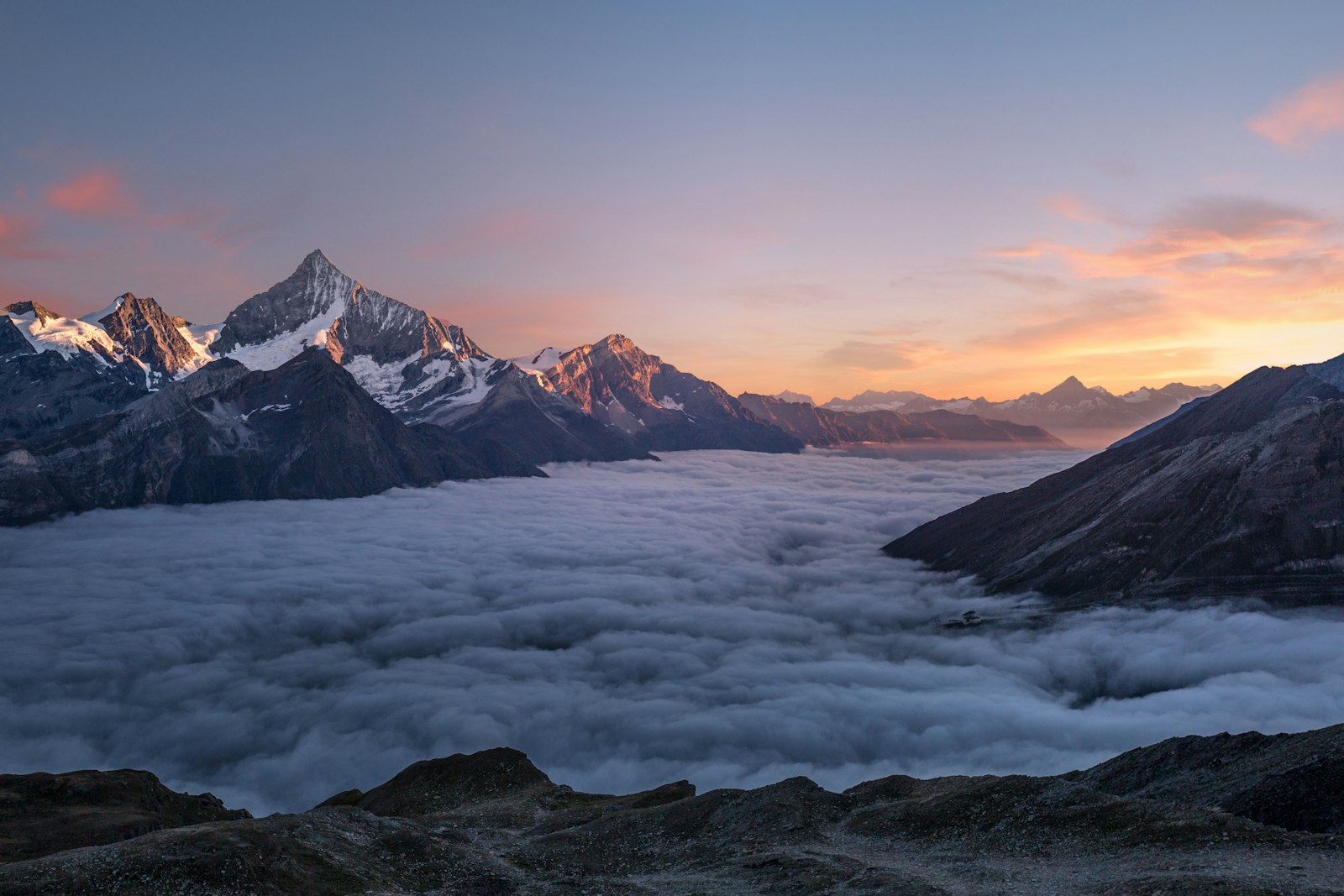
The Revenant picks wilderness over rebates
The studio pushes for BC “to get the tax breaks”; Iñárritu’s team insists on Alberta’s Kananaskis country as 1823 Montana. The lesson: incentives open the door, but the look closes the deal.
The Streaming Boom
Netflix commits half a billion
Netflix pledges CAD $500M+ over five years for Canadian originals — its first permanent production presence outside the US. A Toronto hub follows in 2019.
▸ CAD $500M · 5 yearsPeak Canada
National production volume hits $11.75B; foreign service production alone reaches $6.86B. The Last of Us spends $141M+ across Alberta — billed as the largest series ever filmed in Canada. Toronto needs 12,000 more crew in five years.
▸ $11.75B · $6.86B FLS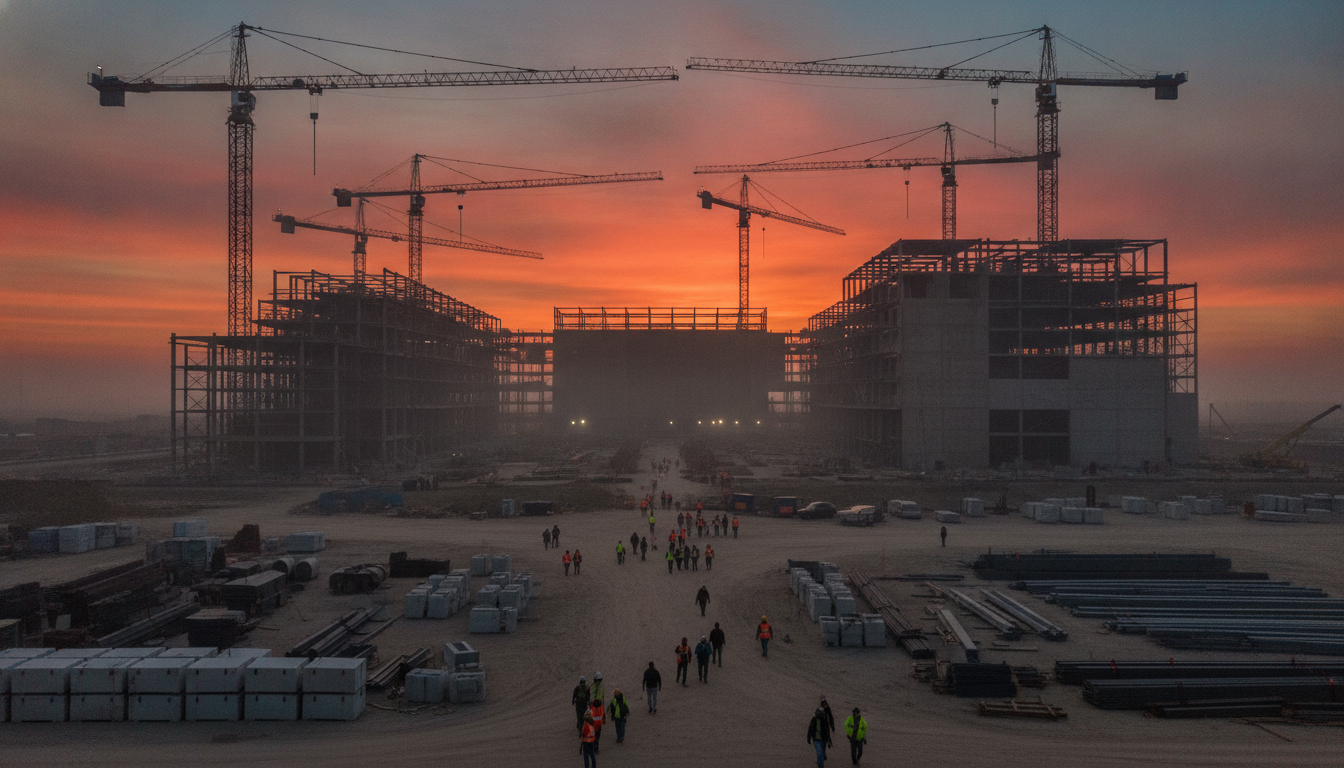
The strike whiplash
Dual WGA and SAG-AFTRA strikes cut national volume 18.5% to $9.58B. The industry learns — again — how fast the cycle turns.
▸ −18.5% in one yearEscalation, again
Ontario foreign production rebounds 86%. BC raises its production services credit to 36%. And the US floats a 100% tariff on foreign-made movies — the 1999 runaway panic, remastered. Volatility is the one constant. It’s why the numbers need a keeper.
The numbers have never had a keeper
Every era on this timeline was shaped by someone knowing the math better than the other side — the quota lawyers in 1928, the shelter accountants in 1974, the credit strategists in 1996, the streamers in 2017. filmincanada.com exists to keep that math dated, sourced, and public. Start with the calculator →